
Exploring the psychology behind casino games
The Allure of Chance and Uncertainty
The excitement surrounding casino games largely stems from the thrill of chance and uncertainty. Players often find themselves drawn to the unpredictability of outcomes, which can evoke a sense of adrenaline. This sensation can be likened to gambling’s inherent risk and reward system; the potential for significant wins and the allure of sports betting canada serves as a powerful motivator. This psychological thrill is not only about the financial stakes but also the emotional rush that comes from the anticipation of the unknown.
Moreover, the desire for chance can be rooted in human nature itself. From an evolutionary perspective, uncertainty may have played a crucial role in survival. Engaging in risk-taking behavior, like participating in games of chance, taps into an ancient instinct that drives humans to seek out rewards. Thus, while the odds may be stacked against players in many casino games, the draw of unpredictability often outweighs the potential pitfalls for those seeking thrills.
Furthermore, the concept of “near misses” is another psychological phenomenon that enhances the allure of casino games. When players come close to winning, they often experience a surge of excitement that can be misleadingly interpreted as a sign of potential future success. This illusion of control can create a cycle of continued play, as players remain hopeful that they can eventually achieve a win that feels just within reach. Such experiences can lead to a gambling behavior where players chase losses, increasing both their emotional investment and the duration of their play.
The Role of Conditioning in Gambling Behavior
Conditioning plays a significant role in the psychology of gambling, especially in casino environments. Many games are designed with features that reinforce a player’s behavior through reward systems. For example, slot machines incorporate bright lights and sounds that signal wins, creating a dopamine rush in the brain. This positive reinforcement encourages players to continue gambling, as the pleasurable sensations associated with winning become deeply ingrained, fostering a habit that’s hard to break.
Additionally, the presence of social influences in casinos can further condition players to engage in gambling behavior. Casino floor designs often promote a communal atmosphere where players can interact with one another, sharing their experiences and excitement. This social dynamic can lead to a shared environment of encouragement, where individuals feel compelled to keep playing to fit in or experience the group’s energy. The power of suggestion among peers can amplify feelings of excitement and contribute to a heightened sense of urgency to participate.
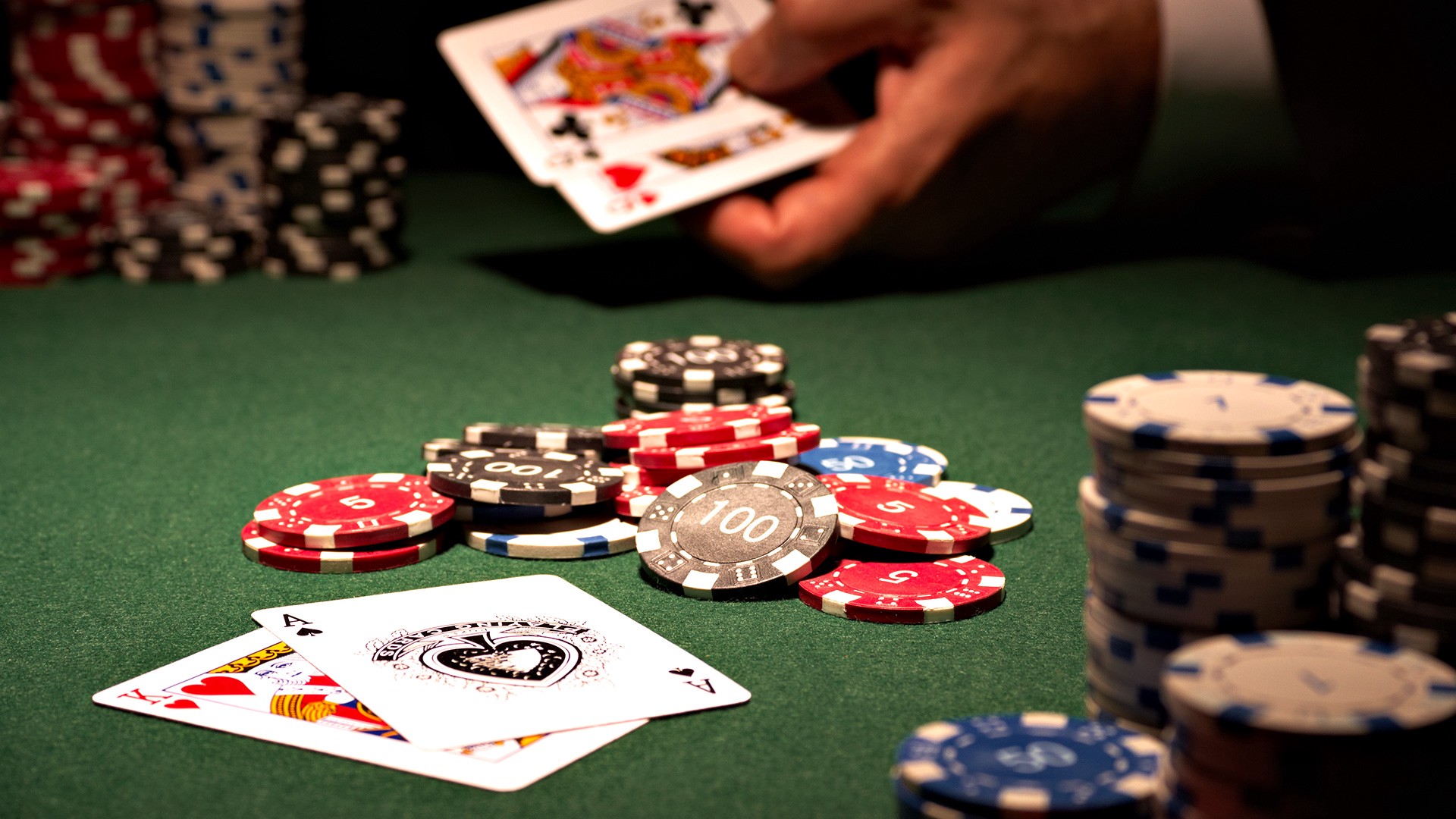
Another aspect of conditioning is the use of variable reward schedules in gaming machines and table games. Unlike fixed payouts, variable rewards occur randomly, which is known to have a stronger effect on behavior. Players are more likely to engage in repeated plays when they believe they have a chance of winning unexpectedly. This unpredictability in rewards creates a powerful psychological pull, making players stay longer and invest more, as they chase that next big win that feels possible but uncertain.
The Impact of Emotional States on Gambling Decisions
Gaining an understanding of how emotional states influence gambling decisions can provide insight into why individuals may gamble excessively. Emotions such as stress, anxiety, or even excitement can lead a person to make impulsive gambling decisions. For instance, someone dealing with negative emotions may seek out the thrill of gambling as a temporary escape, hoping to alleviate their distress through the excitement or potential wins associated with games.
Conversely, positive emotions can also drive gambling behavior. Individuals celebrating a personal achievement or feeling optimistic may be more prone to indulge in gambling, viewing it as a fun and celebratory activity. This dual aspect of emotional influence illustrates the complexity of gambling behavior, as players often fluctuate between these emotional states, impacting their decisions at the casino. Understanding these motivations can lead to better awareness and control of gambling tendencies.
Moreover, emotional states can heighten the cognitive distortions that players experience while gambling. For instance, someone in a euphoric state may overestimate their chances of winning or downplay losses. This can lead to a slippery slope where individuals become more engrossed in gambling due to their distorted perception of luck and probability. This disconnect can often result in significant financial consequences, indicating the need for greater awareness of one’s emotional triggers and the influence they have on gambling behavior.
The Importance of Game Design and Environment
The environment in which casino games are played significantly impacts player psychology and behavior. Casino designers often create immersive environments filled with enticing visuals and sounds to maintain a player’s attention. The deliberate placement of games, the layout of the casino floor, and the use of bright and engaging decorations are all strategies aimed at prolonging the user’s experience and increasing the likelihood of continued play.
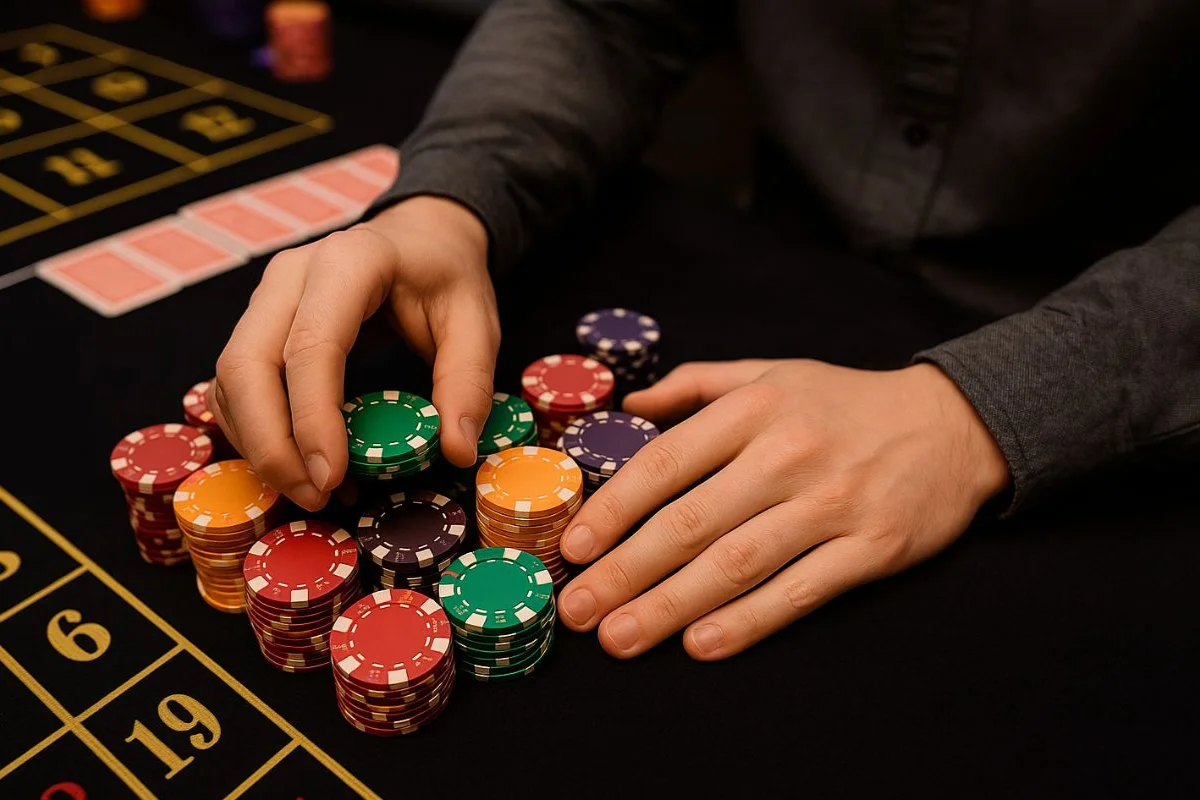
Another psychological strategy employed in casino design is the use of sensory stimuli. The sounds of coins dropping, the jingles of winners, and the visual aspects of flashing lights all work together to create an engaging atmosphere. These elements not only enhance the gaming experience but also play a crucial role in reinforcing positive feelings associated with gambling. By stimulating the senses, casinos create an emotional connection that encourages players to linger longer and immerse themselves deeper in the experience.
Additionally, the strategic layout of games can influence player behavior. Games that are positioned near common areas or in high-traffic zones often attract more players. This placement capitalizes on social dynamics, as players may feel a sense of pressure or excitement to join others who are already engaged in play. The more social aspects of gaming environments can evoke a feeling of belonging, which can further motivate individuals to gamble, sometimes against their better judgment.
Understanding Gambling Responsibility and Awareness
The increasing understanding of the psychology behind casino games has prompted discussions around responsible gambling and awareness initiatives. Educating players about the psychological aspects of gambling can empower them to make informed choices. By recognizing the underlying motivations behind their behavior, individuals can better manage their gambling activities and identify when they might be at risk of developing problematic patterns.
Moreover, many casinos and gaming organizations are implementing responsible gambling programs. These initiatives provide resources, support, and education for players, aiming to foster a safe and responsible environment for gambling. Programs often include self-exclusion options for players seeking a break from gambling, ensuring that individuals have access to tools that can help them maintain control over their gambling habits.
Additionally, mental health resources are becoming increasingly integrated into the gaming industry. Collaborating with mental health professionals, casinos are providing players with access to counseling and support services. Understanding that gambling behavior can be influenced by mental health conditions highlights the importance of creating an environment where players can seek help without stigma, ultimately promoting healthier gambling practices and reducing the risk of addiction.